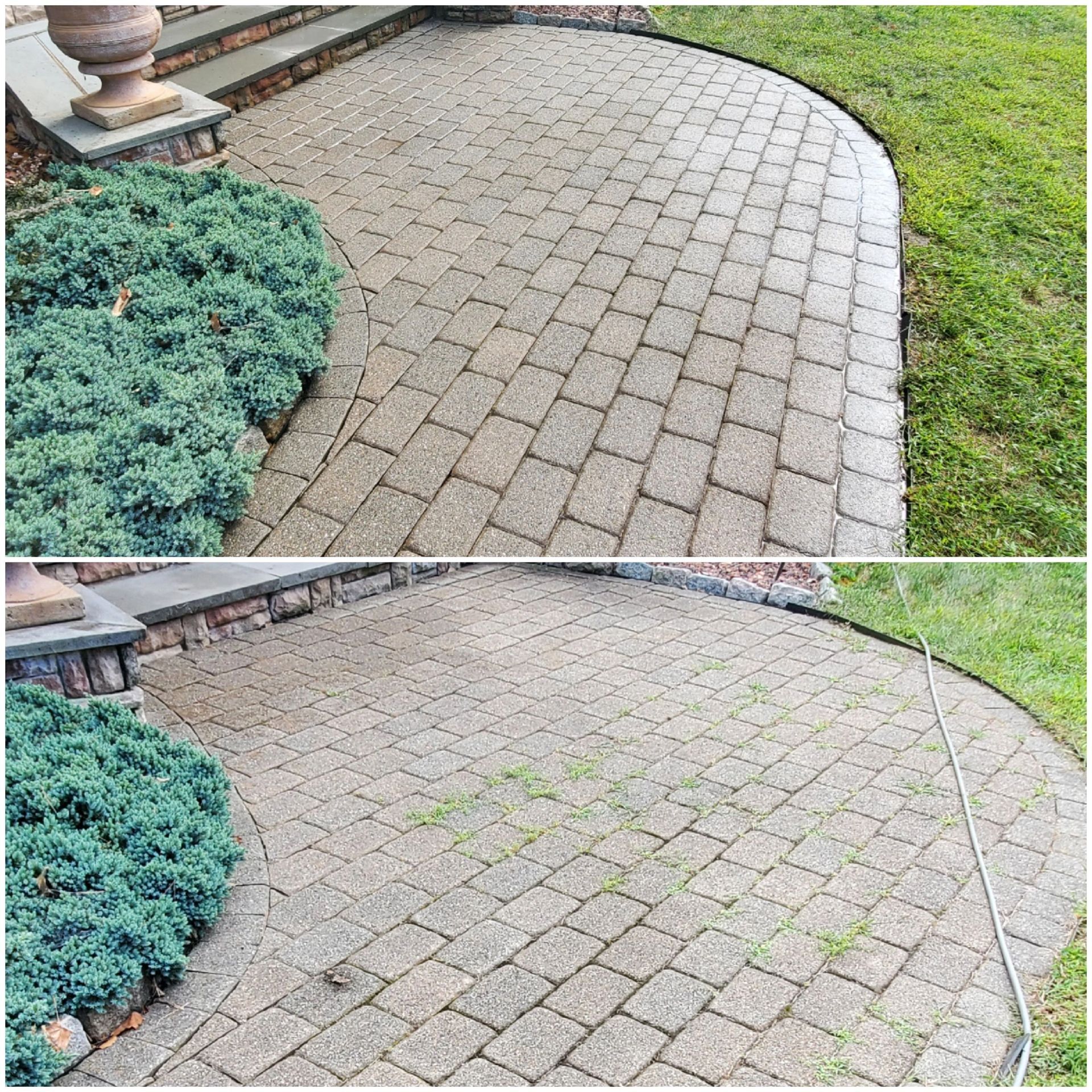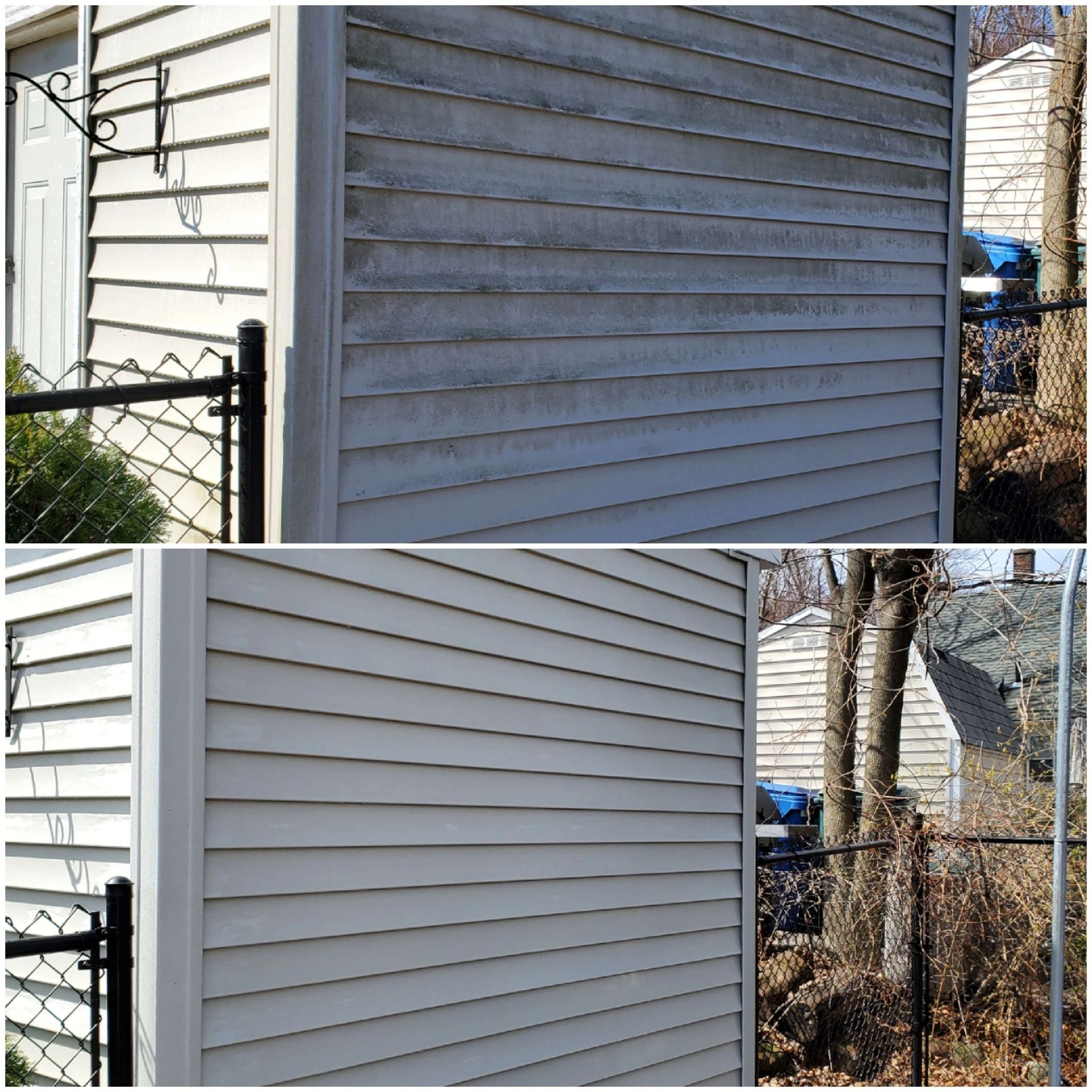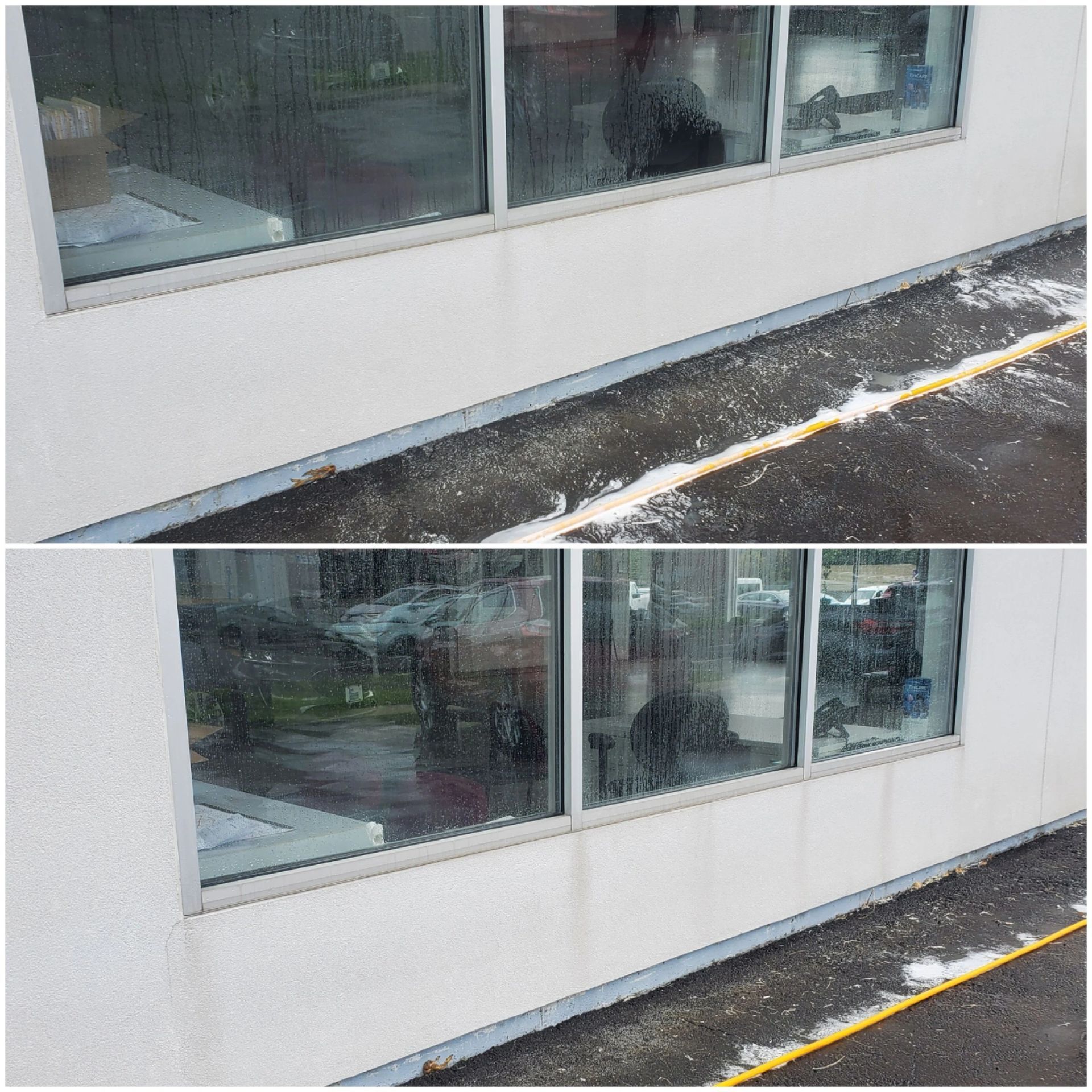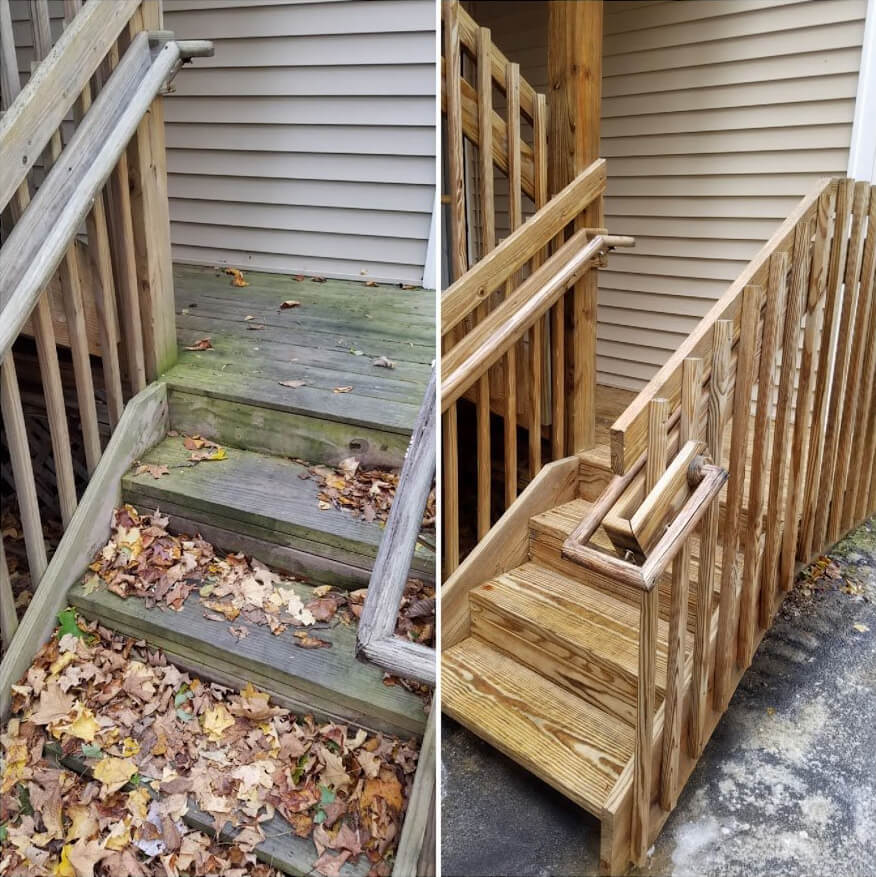

A retail shopping center pressure washing checklist should cover storefronts, entrances, sidewalks, curbs, parking areas, loading zones, dumpster pads, signs, and drainage points.
Connecticut shopping centers also need seasonal cleaning for road salt, pollen, mud, algae, fallen leaves, and moisture-related buildup.
Most retail shopping centers should schedule complete exterior cleaning once or twice a year. High-traffic areas, restaurant entrances, sidewalks, and dumpster pads may require monthly or quarterly cleaning.
The correct method depends on the surface. Concrete can usually handle controlled pressure washing, while painted walls, signs, awnings, and delicate finishes may require soft washing.
Key Takeaways
- Inspect every surface before pressure washing.
- Clean entrances and high-traffic areas more frequently.
- Use soft washing on delicate materials.
- Schedule cleaning during low-traffic hours.
- Protect customers, landscaping, electrical fixtures, and storefront displays.
- Collect and dispose of wastewater correctly.
- Create a recurring commercial cleaning schedule.
Why Shopping Centers Need Pressure Washing
Customers often judge a business before entering it. Dirty sidewalks, stained storefronts, gum, algae, grease, and overflowing dumpster areas can make the entire property appear neglected.
Professional commercial pressure washing helps maintain a cleaner and more welcoming environment for customers, tenants, employees, and visitors. CC Pressure Washing provides commercial exterior cleaning for property managers, contractors, real estate professionals, and other businesses across Connecticut.
OSHA also requires workplace walking surfaces to be maintained in a clean, orderly, sanitary, and reasonably dry condition.
Complete Retail Shopping Center Pressure Washing Checklist
1. Inspect the Property
Before cleaning begins:
- Identify concrete, brick, stucco, vinyl, glass, metal, and painted surfaces.
- Mark cracks, loose paint, damaged sealant, and weak mortar.
- Locate electrical outlets, security cameras, signs, drains, and lighting.
- Identify gum, grease, oil, algae, rust, and food stains.
- Photograph existing damage.
- Confirm which entrances must remain open.
2. Clean Storefronts and Building Facades
Storefront materials require different cleaning methods.
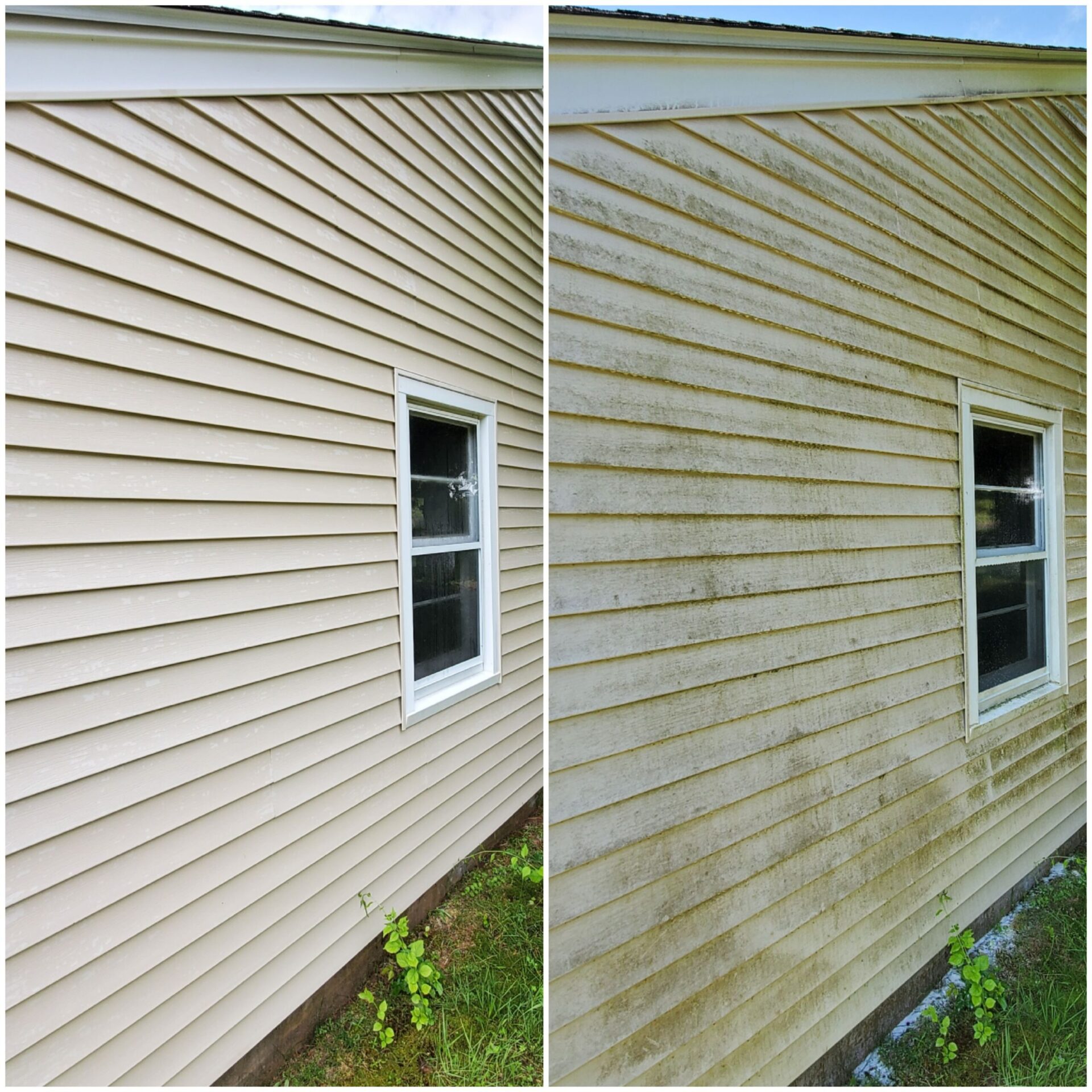
Use controlled pressure on concrete and durable brick. Use soft washing on painted siding, stucco, vinyl, awnings, and delicate finishes.
Protect doors, windows, electrical systems, signs, landscaping, and exterior displays throughout the cleaning process.
3. Wash Entrances and Exits
Customer entrances receive the highest amount of foot traffic. Clean:
- Doorways and thresholds
- Concrete landings
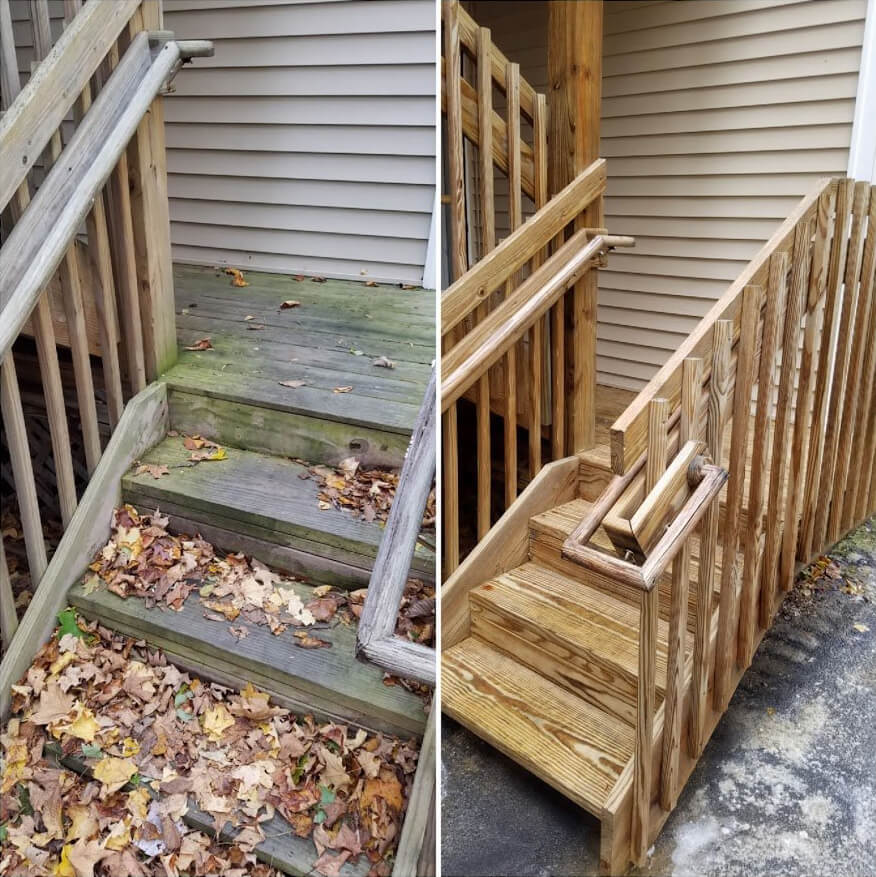
- Steps and ramps
- Accessible entrances
- Areas around benches and planters
- Waste-bin locations
- Gum and beverage stains
Block recently cleaned areas until they are safe and reasonably dry.
4. Pressure Wash Sidewalks
Sidewalks commonly collect dirt, gum, pollen, algae, salt, and food residue.
Professional surface cleaning services can provide more even results than cleaning concrete with a narrow pressure-washing wand. CC Pressure Washing offers concrete, brick, walkway, patio, driveway, and gum-removal cleaning.
5. Clean Curbs and Parking Areas
Inspect and clean:
- Concrete curbs
- Wheel stops
- Parking-lot islands
- Pedestrian crossings
- Customer pickup areas
- Cart-return locations
- Sidewalk-to-parking transitions
Oil and rust stains may require specialized treatment. Pressure should be adjusted around painted curbs and parking markings.
6. Clean Restaurant and Food-Service Areas
Restaurants and grocery stores can create grease, beverage, food, and organic stains.
Focus on:
- Restaurant entrances
- Outdoor dining spaces
- Delivery areas
- Grease-container surroundings
- Service corridors
- Dumpster pads
These areas usually require more frequent cleaning than standard retail storefronts.
7. Wash Loading Zones and Service Areas
Loading areas collect tire marks, dirt, pallet debris, oil, and delivery-related stains.
Clean these areas after deliveries or during low-traffic periods. Protect employees and drivers by using cones, barriers, and clear warning signs.
8. Clean Dumpster Pads
Dumpster pads should be included in every shopping plaza cleaning plan.
Remove:
- Food residue
- Leaking liquids
- Grease
- Dirt
- Organic buildup
- Odor-causing contamination
Wastewater must be controlled instead of being allowed to flow freely into storm drains. Connecticut DEEP states that power-washing wastewater may need to be collected and properly disposed of.
9. Clean Signs, Awnings, and Windows
Signs and awnings usually require low-pressure cleaning. High pressure can damage lettering, coatings, seals, fabrics, and electrical components.
Combine exterior washing with professional window cleaning when storefront glass has pollen, water spots, dust, or detergent residue.
10. Complete a Final Inspection
After pressure washing:
- Check for missed stains.
- Confirm drains are clear.
- Remove barriers only when surfaces are safe.
- Inspect windows, signs, landscaping, and doors.
- Compare before-and-after photographs.
- Record areas requiring future repairs.
- Schedule the next cleaning.
Pressure Washing Frequency Comparison
| Shopping Center Area | Recommended Frequency | Common Contaminants |
| Main entrances | Monthly or quarterly | Gum, dirt, spills and salt |
| Sidewalks | Quarterly or twice yearly | Algae, pollen, mud and gum |
| Storefront walls | Once or twice yearly | Dust, mildew and organic buildup |
| Restaurant areas | Monthly or quarterly | Grease, food and beverage stains |
| Dumpster pads | Monthly | Waste residue, grease and odors |
| Loading zones | Quarterly | Tire marks, dirt and oil |
| Curbs and islands | Once or twice yearly | Road salt, dirt and vehicle residue |
| Signs and awnings | Once or twice yearly | Dust, pollen and organic growth |
Cleaning frequency should be adjusted according to customer traffic, tenants, surrounding trees, shade, drainage, and seasonal weather.
Connecticut Seasonal Cleaning Needs
Spring and Summer
Spring Cleaning Priorities
Remove winter salt, sand, mud, pollen, and snow-removal residue from sidewalks, entrances, and curbs.
Summer Cleaning Priorities
Address algae, mildew, gum, food spills, and heavy customer traffic around restaurants and outdoor seating areas.
Fall and Winter
Fall Cleaning Priorities
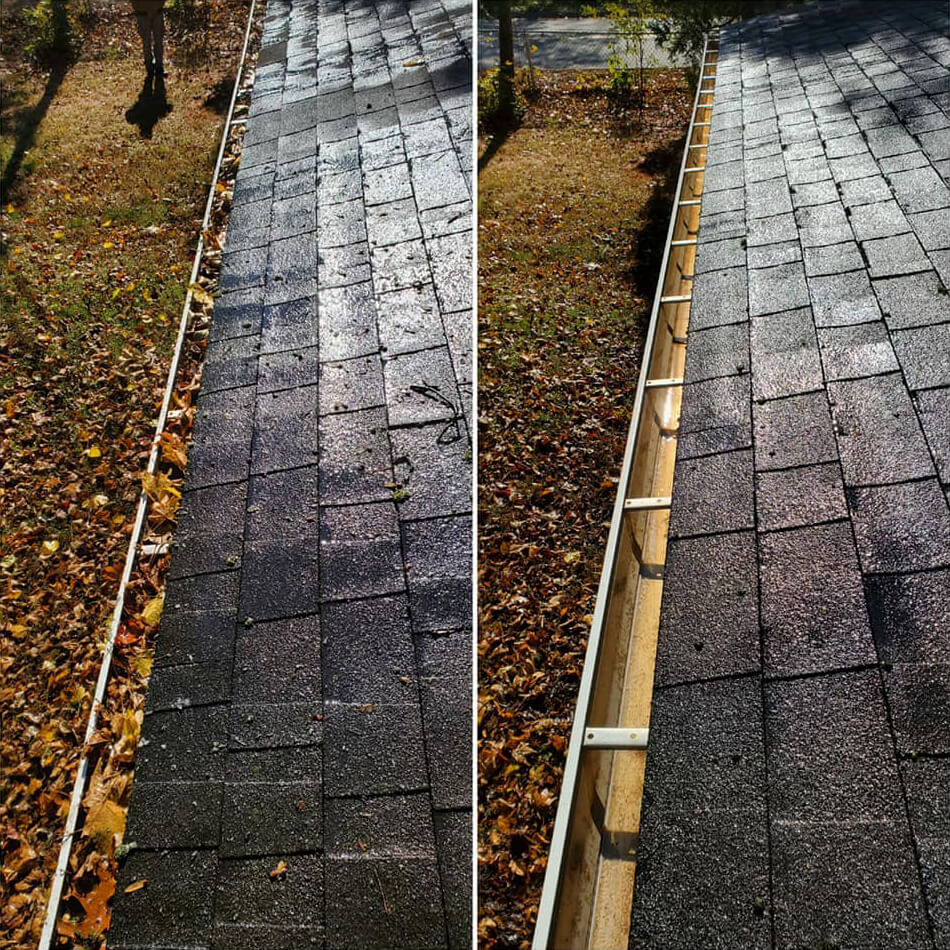
Remove leaves, organic stains, and debris around drains. Consider combining exterior cleaning with gutter cleaning.
Winter Cleaning Priorities
Monitor entrances and sidewalks for salt, slush, and dirty snow. Cleaning should only be completed when temperatures and surface conditions allow the area to dry safely.
Conclusion
A structured retail shopping center pressure washing checklist helps maintain clean storefronts, safer walking areas, better tenant presentation, and a stronger first impression.
CC Pressure Washing provides commercial exterior cleaning, concrete surface cleaning, gutter cleaning, and related services throughout Central Connecticut. Request a free commercial pressure washing estimate to create a cleaning plan for your retail property.
Frequently Asked Questions
How often should a retail shopping center be pressure washed?
Most shopping centers need complete pressure washing once or twice yearly. Entrances, restaurant areas, sidewalks, and dumpster pads may need monthly or quarterly service.
What is included in shopping center pressure washing?
A complete service may include storefronts, sidewalks, entrances, curbs, concrete surfaces, loading zones, dumpster pads, signs, and shared outdoor areas. Review available commercial pressure washing services for more information.
How much does commercial pressure washing cost?
The cost depends on square footage, surface condition, stain type, accessibility, water availability, and cleaning frequency. Request a customized estimate through the CC Pressure Washing contact page.
Can pressure washing remove gum from shopping center sidewalks?
Yes. Professional concrete cleaning equipment and suitable treatment methods can remove most gum from sidewalks and entrances. Learn more about concrete and brick surface cleaning.
Can pressure washing remove oil stains from parking areas?
Pressure washing can reduce many oil stains, but older or deeply absorbed stains may require pretreatment and specialized cleaning. Complete removal cannot be guaranteed on every surface.
Is pressure washing safe for retail storefronts?
Yes, when the contractor adjusts the pressure and cleaning solution for each material. Painted walls, vinyl, awnings, signs, and delicate finishes should normally receive lower-pressure cleaning.
What is the difference between pressure washing and soft washing?
Pressure washing uses stronger water pressure on durable surfaces such as concrete. Soft washing uses lower pressure and cleaning solutions for siding, painted surfaces, awnings, and other delicate materials.
Can shopping centers remain open during pressure washing?
Yes. Work can be divided into sections and completed before opening, after closing, or during low-traffic periods. Entrances must remain clearly marked and safely accessible.
Does commercial pressure washing help prevent slip hazards?
Removing algae, grease, spills, and other buildup can support safer maintenance of walking areas. However, damaged concrete, ice, drainage problems, and structural hazards must be addressed separately. Property managers should also review OSHA walking-working surface requirements.
How should pressure-washing wastewater be managed?
Wash water should be contained and disposed of according to applicable state and local requirements. Review Connecticut DEEP guidance before allowing wastewater to enter drains.
What is the best time to pressure wash a shopping center?
Spring and fall are ideal for complete cleaning. High-traffic or food-service areas may require year-round maintenance when temperatures and operating conditions permit.
Does CC Pressure Washing serve commercial properties near me?
CC Pressure Washing serves numerous communities throughout Central Connecticut. Check the complete areas we serve list to confirm service availability.
Why hire a professional shopping center pressure washing company?
Professionals understand surface compatibility, stain treatment, pedestrian control, wastewater management, and commercial scheduling. They also use equipment designed to clean large areas efficiently and consistently.